Differentiating myths from legends
The words myth and legend are often evoked together, because the association of meanings between the two is practically spontaneous.
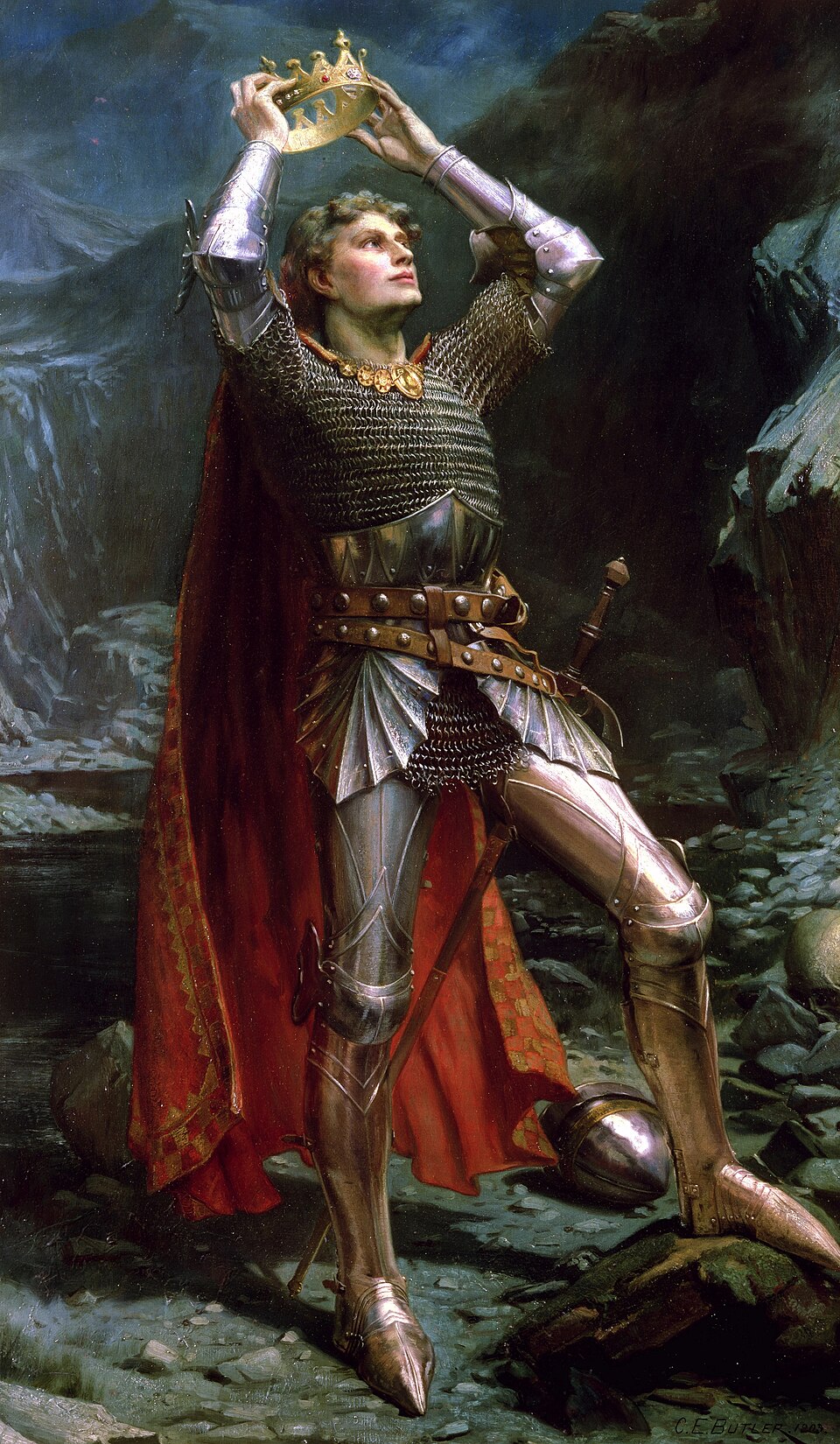
Source: Wikimedia Commons. Public domain.
Legend
A legend is generally a wondrous tale that sometimes has its origin in a historical event, but is usually enriched by numerous fantastical elements. It is a literary work of collective creation, of which different versions exist. Many legends have come down to us as genuine literary pieces in their own right.
Examples of legends:
The legend of Tristan and Iseult
Myth
Unlike the legend, the myth more clearly describes a story that bears a close relationship to the religious. Indeed, it possesses evident allegorical components that refer to a creative or magical force which forms a vital part of the tradition that generates it. Myths thus exert a significant influence on the customs of a society.
Moreover, as Mircea Eliade explains, the mythic narrative possesses a circular structure that unfolds during an extra-temporal and a-historical time in which events repeat periodically, frequently symbolizing cyclical occurrences observable in nature. At other times, the myth represents an explanation of the origin of the world and serves as a foundation for a culture’s worldview.
Examples of myths:
The myth of Isis, Osiris, and Horus, whose principal theme is death and resurrection, is a clear allegory of the cycles of the harvest and its rebirth from seeds.
The cyclical universe of the Hindu conception is clearly expressed in its mythic creation narratives