Myths, Historicity and Christianity
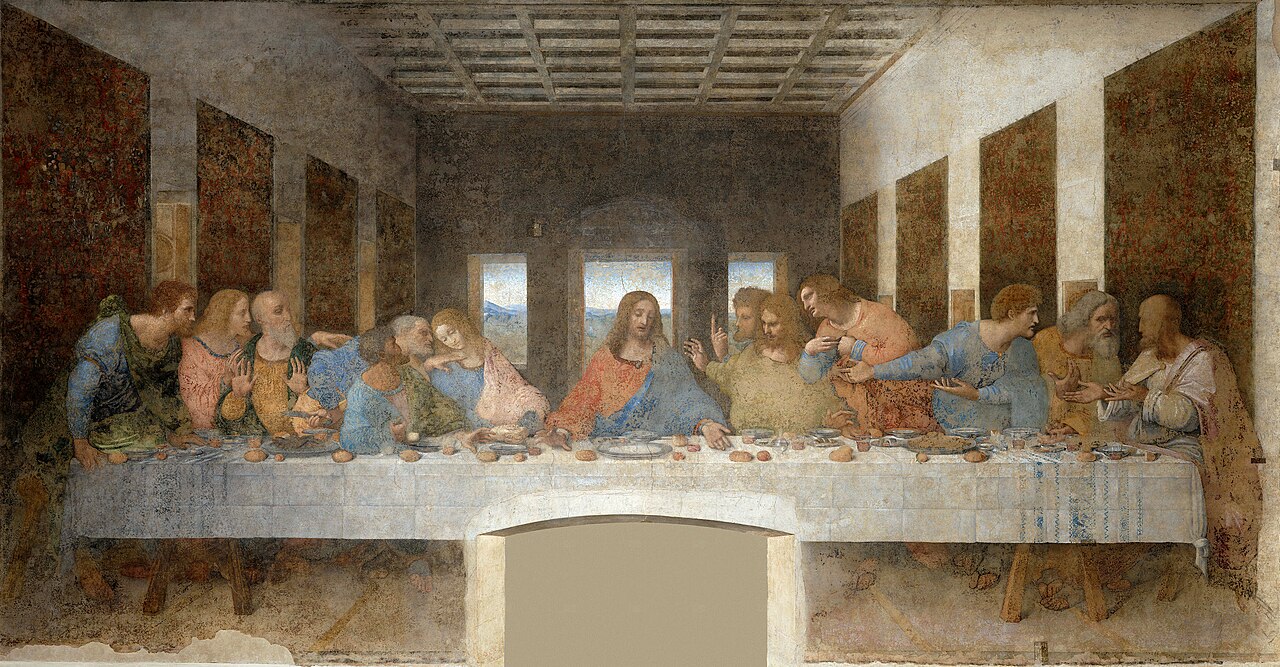
Source: Wikimedia Commons. Public domain.
CHRISTIANITY has been interpreted by an orthodox hierarchy that has degraded myth to the point of turning it into science and history. The living God has become an abstract God, and cannot free his creatures from the disease that afflicts him as well. For when myth is confused with history, it ceases to affect the inner life of man. The tragedy of Christian history is its permanent failure to draw life from the Christian myth and reveal its wisdom.
Myth is not only “revelation” in the sense of being a message from heaven—that is, from the eternal and non-historical world—that expresses what was once true, but what is true. Thus the Incarnation has no effect or meaning for human beings today if it is simply history; it is a “saving truth” only if it is perennial, a revelation of an eternal fact that is always taking place within man.
Alan Watts, Myth and Ritual in Christianity
For people of little education (or poorly educated), myths tend to become history in such a way that they cling to the accidental aspects of local particularities, binding them to groups of believers who confront one another over the ownership of truth, thereby depriving themselves of the substance of the message that each believes to have received exclusively.
When any of the mythic metaphors is interpreted as poetry, as art, and not as a vehicle of empirical information, it acquires a different dimension, one that transforms it into a transmitter of religious experience in the deepest sense of the term: the message of harmony becomes evident—that is, of the living God, the individual conception of divinity that is not separate from man but forms part of him and admits of no definition.